
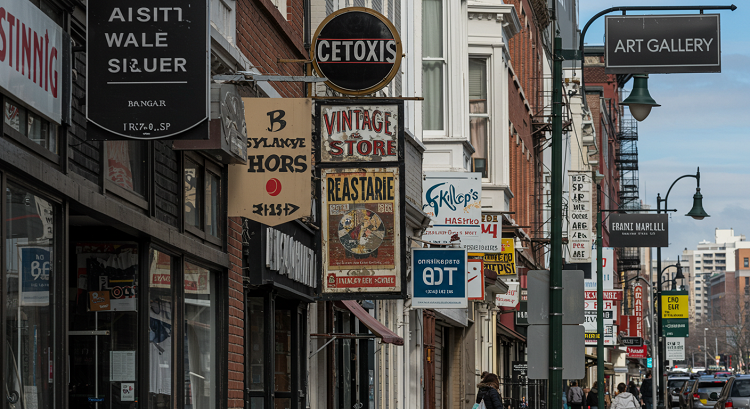
Every business, whether it’s a neighborhood café or a corporate office, needs to be seen. Outdoor business signs are often the first impression a customer gets, and that impression can shape the decision to walk through the door—or walk away. A sign isn’t just about displaying your name. It’s about telling people who you are, what you offer, and whether you’re worth noticing.
For brick-and-mortar establishments, a physical presence is nothing without visibility. That’s where signage plays a crucial role. It marks territory, reinforces identity, and gives passing traffic a reason to pause. A well-placed, well-designed sign can turn an unfamiliar building into a recognizable brand. Outdoor business signs work 24/7, long after your staff has gone home, promoting your business without effort. They’re one of the most consistent, cost-effective marketing investments a company can make.
Design, material, placement, and lighting all contribute to how effective a sign can be. Businesses that treat signage as an afterthought often find themselves missing out on valuable foot traffic and brand recognition. In a world overloaded with digital noise, physical signage has regained its importance—not as a substitute, but as a solid complement to online presence.
Why the Right Outdoor Sign Matters More Than You Think
A sign does more than point people in the right direction. It establishes presence. In areas with heavy competition or dense commercial clusters, outdoor business signs help businesses stand out. They give identity to your space and act as visual anchors in the minds of customers. Without one, you’re invisible—even if your product or service is exceptional.
Strong signage improves brand recall. Think of the last time you walked or drove through a busy commercial street. The businesses you remember probably had clear, distinctive outdoor signs. Fonts, logos, colors, and even the material of a sign can work together to communicate quality, professionalism, and trust. This visual familiarity helps businesses earn attention and repeat customers.
Outdoor business signs also influence foot traffic. Many walk-ins happen because a sign caught someone’s eye. Whether it’s a striking logo, a clear tagline, or even a quirky design, that initial engagement often leads to a sale or inquiry. In that sense, signage acts like an unspoken pitch—it’s communicating even when no one is standing outside.
Location affects how the sign works. High-rise buildings often rely on blade signs or lightbox styles mounted at height. Street-level shops might benefit from projecting signs or sandwich boards. The environment—urban, suburban, rural—also plays a role in what works best. Outdoor signs need to feel native to their surroundings while also commanding attention.
Materials and Styles That Define Quality Signage
Outdoor business signs are exposed to weather, sun, and pollutants. That’s why durability matters as much as design. Materials need to hold up through seasonal changes without fading, rusting, or warping. Popular options include aluminum, acrylic, wood, PVC, and channel lettering with LED backlighting. Each material brings its own aesthetic and lifespan.
Aluminum signs are lightweight, rust-resistant, and commonly used in commercial applications. Acrylic signs give a sleek, modern look, and are often used for illuminated or dimensional signs. Wood, on the other hand, is ideal for rustic or boutique-style branding. While not as weather-resistant as metal or plastic, treated wood offers a warm, inviting appearance.
Channel letters are a standout choice for businesses that operate late into the evening. These 3D signs feature individual letters that can be lit from the front, back, or sides. They’re commonly found on storefronts, restaurants, and shopping centers. Their visibility at night enhances safety, professionalism, and accessibility.
Signage styles vary by business type. Real estate agencies, law firms, and medical practices often opt for monument signs—permanent structures anchored into the ground. These signs sit at eye level and offer a grounded, stable impression. Retail shops and salons may choose awning signs, which double as sun protection and branding space. Food trucks and mobile vendors benefit from magnetic signs or removable banners for flexibility.
Design consistency is key. A logo that looks great on a website may need adjustments to be legible from a distance. Choosing a legible typeface, color contrast, and appropriate size is not just a design choice—it’s a functional requirement. Outdoor business signs must catch attention quickly and convey information clearly, often from 20 feet or more away.
Installation, Compliance, and Long-Term Maintenance
Installing a sign isn’t as simple as hanging it up and calling it a day. Many municipalities have zoning laws and permits that govern the size, lighting, and placement of outdoor business signs. Before installation, business owners must review local signage codes to avoid fines or removal orders. These rules can dictate everything from font height to how bright a lighted sign can be after dark.
Professional installation ensures stability, electrical safety (for lighted signs), and weatherproofing. A sign that’s poorly anchored or exposed to moisture can quickly become a liability. Mounting hardware must be rust-resistant, and for larger signs, wind load ratings must be considered. Improper installation not only risks damage—it can harm your reputation and raise insurance concerns.
Maintenance is just as important as setup. Faded, broken, or flickering signs send the wrong message. They suggest neglect and can cause potential customers to doubt the professionalism of your business. Regular inspection, cleaning, and bulb replacement (for lighted signs) go a long way in preserving both appearance and function.
Seasonal maintenance is often necessary in regions with snow, humidity, or high heat. UV protection helps preserve colors and finishes, while sealed edges prevent water from seeping into the internal structure. Some materials like vinyl or untreated wood may require periodic re-coating or refinishing to maintain their look.
Outdoor business signs aren’t just static marketing tools. They’re evolving components of your brand that require attention. Changing your hours? Updating your name? Rebranding? Your sign must reflect those shifts. Signage is a living part of your customer experience and should evolve with your business.
Outdoor Signs That Deliver Value for Every Type of Business
Whether you’re running a small retail store or managing a corporate building, the need for a visible, readable, and well-crafted sign is universal. Local businesses often benefit from hanging or wall-mounted signs that showcase identity and personality. These create an approachable vibe and invite interaction. Larger institutions—hospitals, universities, industrial parks—rely on monument or pylon signs to guide visitors and offer strong visual anchoring.
Real estate offices, dental clinics, barbershops, coffee shops, and even pop-up retailers all gain from having signage that’s as intentional as the interior design. Signage can act as a silent spokesperson for your business values, tone, and professionalism. When done right, it becomes a trusted visual touchpoint that people associate with quality.
Outdoor business signs are one of the few marketing tools that truly work around the clock. They’re not intrusive like ads and not fleeting like social media posts. Instead, they remain constant—reminding people of your presence, inviting them in, and reinforcing your brand every time someone walks or drives by.